
 The Black-spotted Newt (Notophthalmus meridionalis) is a chronically understudied salamander species, with many aspects of its natural history, ecology, and distribution poorly known. Previous studies using traditional methodologies have had limited success documenting N. meridionalis on the landscape, detecting individuals at 6% (7 of 114) and 1% (2 of 221) of sites surveyed. A novel environmental DNA (eDNA) assay was designed and implemented with the goals of assessing the current distribution of N. meridionalis across south Texas, USA, and better understanding the conditions for positive eDNA detections. We conducted eDNA sampling and traditional surveys at 80 sites throughout south Texas. Notophthalmus meridionalis was detected at 12 localities in total: four localities using eDNA surveys, four localities using traditional methods, and four localities with both methodologies. eDNA detections were obtained from five counties, including one where N. meridionalis has never been reported and another where N. meridionalis has not been observed since the 1930s. eDNA detections were obtained in all four seasons, generally following moderate to heavy rainfall events. Our results support the increased use of eDNA surveys to detect rare and cryptic amphibians and to better understand the current distribution of this imperiled species.
Robinson PS, Davis DR, Collins SM, Kline RJ. 2022. Defining the current distribution of the imperiled black-spotted newt across south Texas, USA. Global Ecology and Conservation 36:e02131. [PDF]
 Wildlife monitoring programs are instrumental for the assessment of species, habitat status, and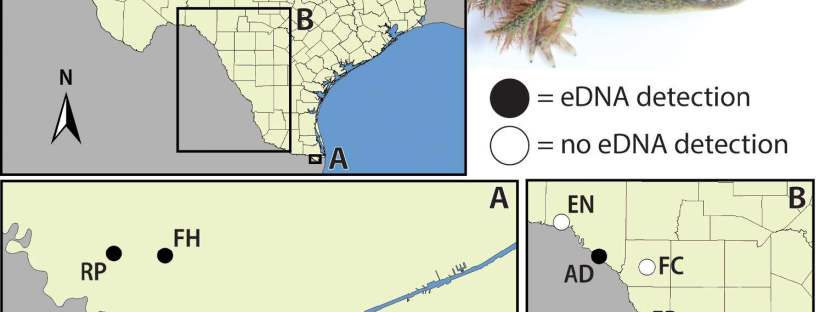
 Environmental DNA (eDNA) assays have become a major aspect of surveys for aquatic organisms in the past decade. These methods are highly sensitive, making them well-suited for monitoring rare and cryptic species. Current efforts to study the Rio Grande Siren in southern Texas have been hampered due to the cryptic nature of these aquatic salamanders. Arid conditions further add to the difficulty in studying this species, as many water bodies they inhabit are ephemeral, sometimes constraining sampling efforts to a short window after heavy rain. Additionally, sirens are known to cease activity and reside underground when ponds begin to dry or as water temperatures increase. Conventional sampling efforts require extensive trap-hours to be effective, which is not always possible within the required sampling window. This study presents the development of a novel eDNA assay technique for this elusive species using conventional PCR and Sanger sequencing and compares eDNA sampling results with simultaneous trapping at multiple sites to assess the relative effectiveness of the procedure. Rio Grande Siren detection via eDNA sampling was significantly higher at all sites compared to trapping, confirming the utility of this assay for species detection. This methodology gives promise for future work assessing the distribution and status of the Rio Grande Siren and has potential for use on other southern Texas amphibians.
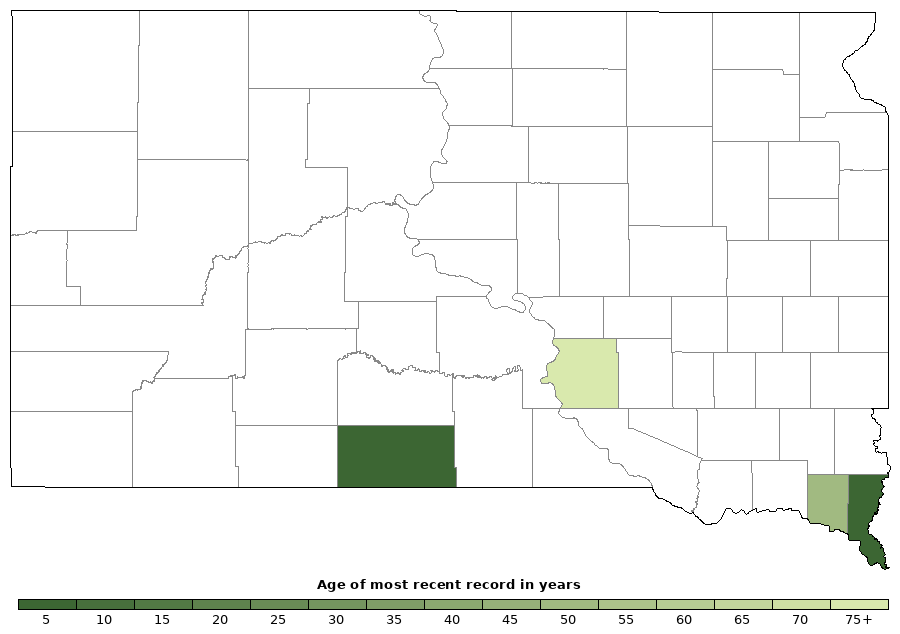
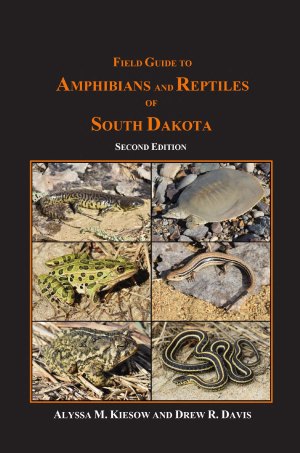 The Field Guide to the Amphibians and Reptiles of South Dakota (second edition) is now available! This newly-revised guide describes and illustrates all reptile and amphibian species in South Dakota in one reference. Color photos, updated distribution maps, and descriptions of life history and habitats help the reader identify 45 known and two possible species and understand the role these interesting animals play in nature. The second edition includes new illustrations and additional identification keys and reflects updated taxonomy and recent knowledge gained from university and community scientists. This field guide provides a glimpse into the lives of these intriguing members of South Dakota’s diverse natural heritage.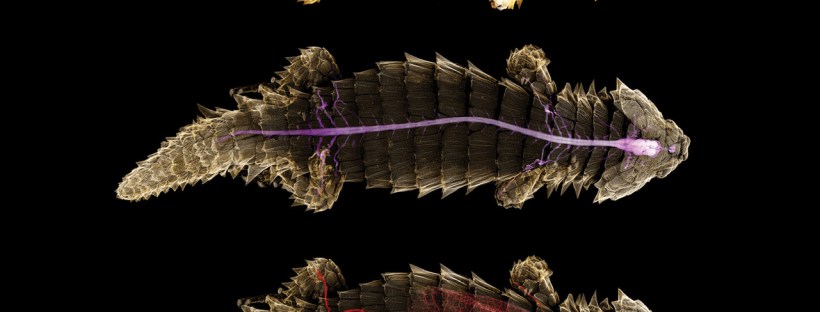


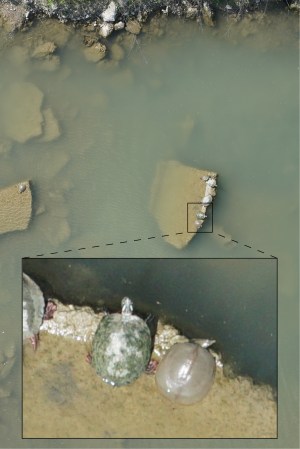 Conservation concerns are increasing for numerous freshwater turtle species, including Pseudemys gorzugi, which has led to a call for more research. However, traditional sampling methodologies are often time consuming, labor intensive, and invasive, restricting the amount of data that can be collected. Biases of traditional sampling methods can further impair the quality of the data collected, and these shortfalls may discourage their use. The use of unmanned aerial vehicles (UAVs, drones) for conducting wildlife surveys has recently demonstrated the potential to bridge gaps in data collection by offering a less labor intensive, minimally invasive, and more efficient process. Photographs and video can be obtained by camera attachments during a drone flight and analyzed to determine population counts, abundance, and other types of data. In this study we developed a detailed protocol to survey for large, freshwater turtle species in an arid, riverine landscape. This protocol was implemented with a DJI Matrice 600 Pro drone and a SONY ILCE α6000 digital camera to determine P. gorzugi and sympatric turtle species occurrence across 42 sites in southwestern Texas, USA. The use of a large drone and high resolution camera resulted in high identification percentages, demonstrating the potential of drones to survey for large, freshwater turtle species. Numerous advantages to drone-based surveys were identified as well as some challenges, which were addressed with additional refinement of the protocol. Our data highlight the utility of drones for conducting freshwater turtle surveys and provide a guideline to those considering implementing drone-mounted high-resolution cameras as a survey tool.


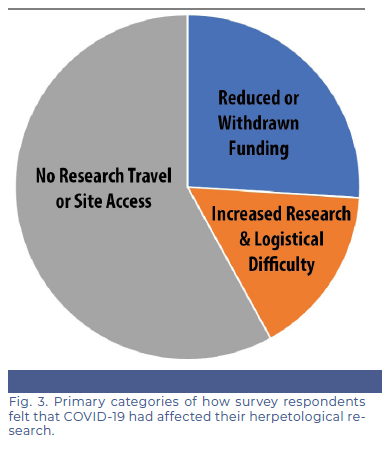 The emergence of a global pandemic due to the spread of COVID-19 has had profound effects on how research and scholarly activities are conducted for many professional herpetologists. Responses to COVID-19 and mitigation efforts vary by country and institution but have largely resulted in the closures of academic campuses and research areas, travel restrictions, and interruptions in research funding. These responses have forced herpetologists to change the way they manage their professional responsibilities.
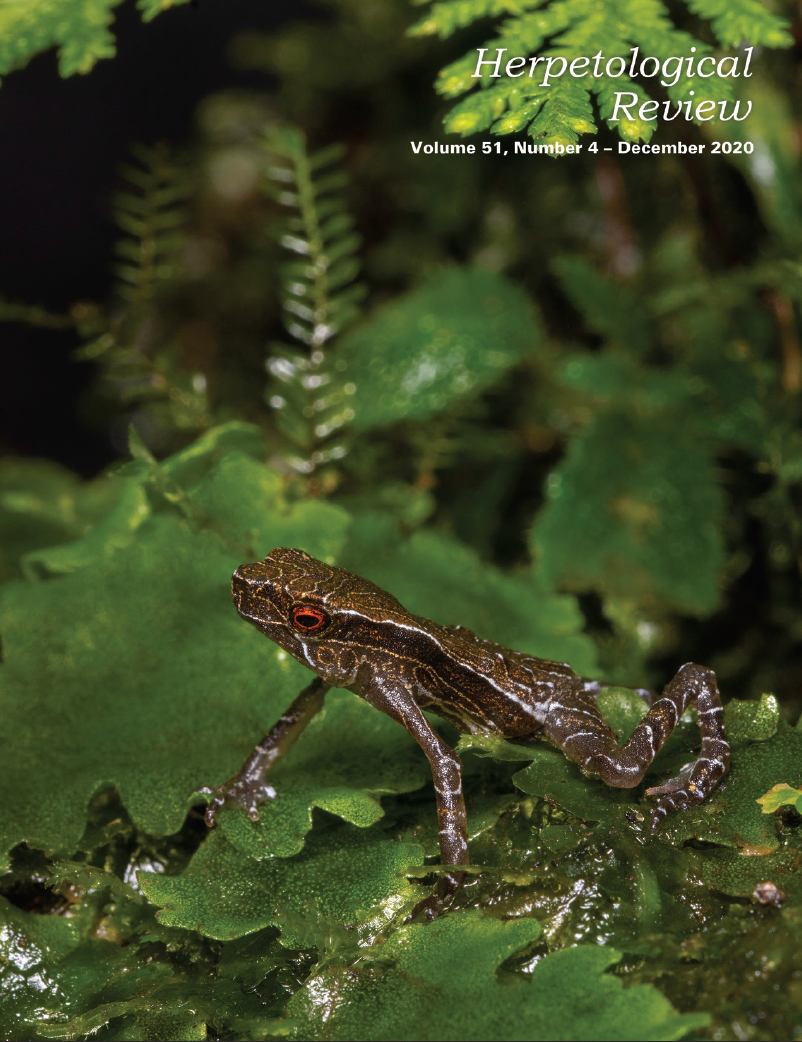 Three new, short notes were involving amphibians and reptiles in South Dakota were published in the December 2020 issue of Herpetological Review. The first was the description of two new county records for Wood Frogs (Rana sylvatica) in northeastern South Dakota. Wood Frogs have recently been expanding its range into and along the Prairie Coteau in recent years (see
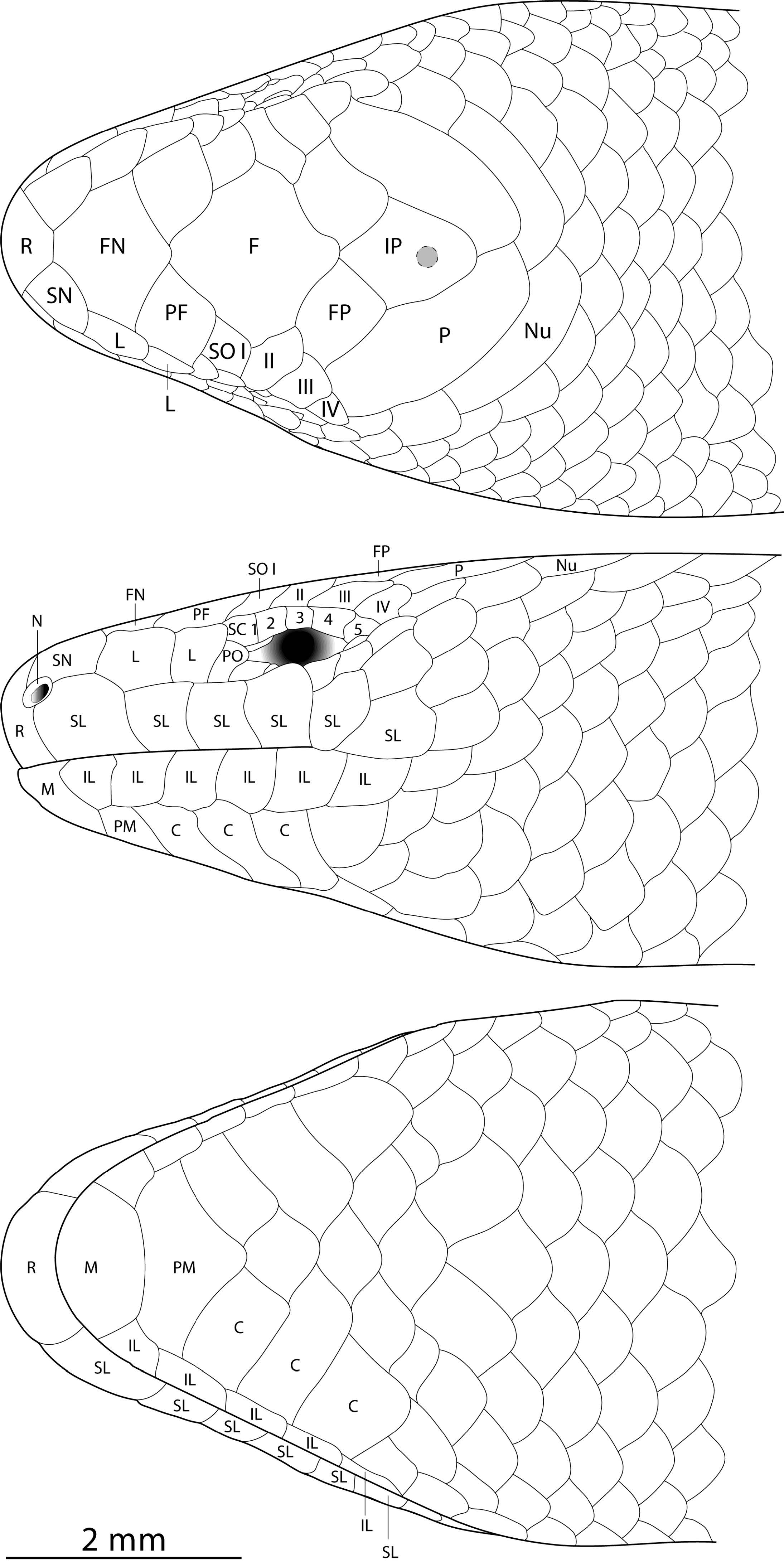 The diversity of Philippine amphibians and reptiles has increased over the last few decades, in part due to re-evaluation of species formerly believed to be widespread. Many of these investigations of widespread species have uncovered multiple closely related cryptic lineages comprising species complexes, each restricted to individual Pleistocene Aggregate Island Complexes (PAICs). One group in particular for which widespread cryptic diversity has been common is the clade of Philippine skinks of the genus Brachymeles. Recent phylogenetic studies of the formerly recognized widespread species Brachymeles bonitae have indicated that this species is actually a complex distributed across several major PAICs and smaller island groups in the central and northern Philippines, with numerous species that exhibit an array of digit loss and limb reduction patterns. Despite the recent revisions to the B. bonitae species complex, studies suggest that unique cryptic lineages still exist within this group. In this paper, we resurrect the species Brachymeles burksi Taylor 1917, for a lineage of non-pentadactyl, semi-fossorial skink from Mindoro and Marinduque islands. First described in 1917, B. burksi was synonymized with B. bonitae in 1956, and has rarely been reconsidered since. Evaluation of genetic and morphological data (qualitative traits, meristic counts, and mensural measurements), and comparison of recently-obtained specimens to Taylor’s original description support this species’ recognition, as does its insular distribution on isolated islands in the central portions of the archipelago. Morphologically, B. burksi is differentiated from other members of the genus based on a suite of unique phenotypic characteristics, including a small body size, digitless limbs, a high number of presacral vertebrae, the absence of auricular openings, and discrete (non-overlapping) meristic scale counts. The recognition of this central Philippine species further increases the diversity of non-pentadactyl members of the B. bonitae complex, and reinforces the biogeographic uniqueness of the Mindoro faunal region.
