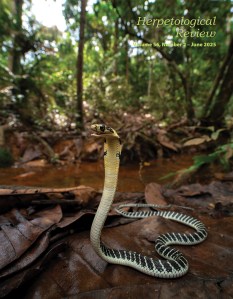
 Two new student-led notes were recently published in Herpetological Review 56(2). Both were natural history notes, documenting new diet items for two species. Undergraduate technician Caden Myers published an observation of an Ornate Box Turtle (Terrapene ornata) scavenging a road-killed North American Racer (Coluber constrictor) in Colorado. This observation follows a separate, recently published observation of a T. ornata consuming a road-killed Gophersnake (Pituophis catenifer) in eastern New Mexico. These observations suggest that T. ornata may scavenge road-killed snakes at a higher frequency than previously reported. The second note was written by M.S. student Sebastian Summo Elias and documented three new fish species in the diet of Western Ribbonsnakes (Thamnophis proximus) in New Mexico. Though the species is considered to primarily consume amphibians, several individual snakes regurgitated fish not previously recorded in their diet: Pecos Pupfish, Fathead Minnows, and Rio Grande Silvery Minnows. Congratulations to both students on their publications!
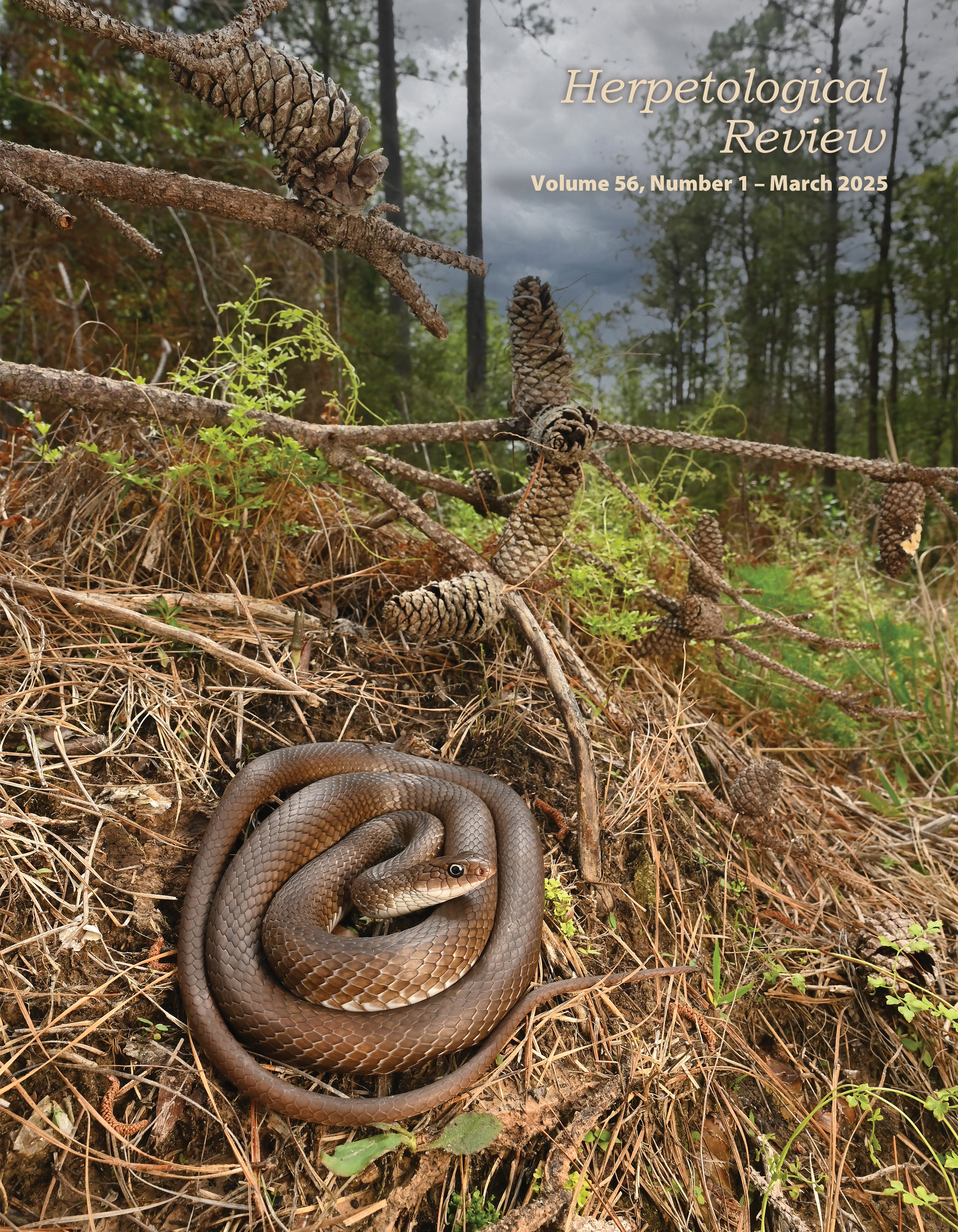 Three new student-led notes were recently published in Herpetological Review 56(1). One was a Geographic Distribution Note reporting seven new occurrence records of six species of Michigan amphibians and reptiles, and was written by M.S. student Jake Kuschel. The other two were notes written by Ben Genter, an undergraduate researcher in the lab. Ben’s notes were: 1) a batch of distributional records of non-native amphibians and reptiles in the Florida, and 2) a Natural History Note describing a predation where at Mexican Treefrog (Smilisca baudinii) had consumed a Mediterranean Gecko (Hemidactylus turcicus) in south Texas. Congratulations to both students on their publications!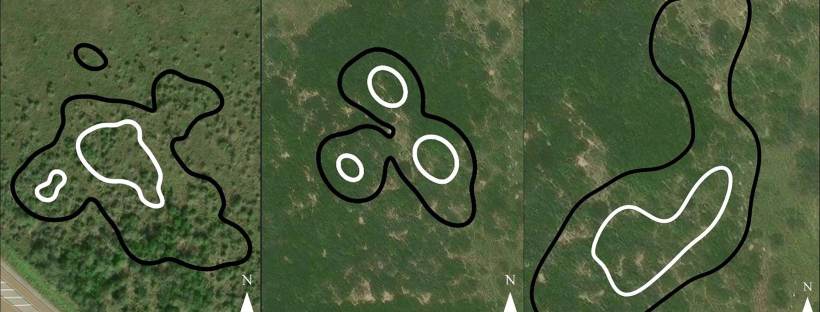
 Texas Tortoises (Gopherus berlandieri) are understudied compared to federally protected congeners. Despite important early studies on the basic ecology of G. berlandieri, quantitative identification of habitat associations with specific environmental conditions has been limited. Gopherus berlandieri inhabits Tamaulipan thornscrub across its range, and coastal populations are historically associated with low-relief clay ridges with thick mesquital scrub surrounded by salt prairie grasslands. Our study examined tortoise home range size and association with canopy cover and potential ground moisture at a protected natural area in Cameron County, TX, USA. Twelve tortoises were outfitted with GPS loggers that recorded location once an hour from March 2020 to March 2022. To delineate home ranges, we estimated utilization distributions (UDs) for tortoises as autocorrelated kernel density estimates (AKDEs) at low-use (95%) and core-use (50%) levels for each tortoise. UDs were estimated for the entire study period and during seasons of sustained heat or cold to determine if tortoises used space differently across these seasons over the study period. Applying a use-availability study design, we compared canopy cover and potential mesic ground condition (i.e., precipitation flow accumulation) within each tortoise’s UD (‘‘use’’) to the area within 1 day’s movement around the boundary of the UD (‘‘available’’). Tortoise UD sizes were significantly different across seasons for low-use (95%) but not for core-use (50%) AKDE levels. Tortoise UDs had greater canopy cover compared to available-but-unused areas at both AKDE levels. Potential mesic ground condition did not significantly differ between available and used areas. Our study revealed that tortoises vary the size of their home ranges throughout the year, whereas areas of intensive use or occupation tended to remain remarkably stable throughout the year. In seasons of extreme weather (hot or cold), tortoises seem to seek out areas of denser canopy cover that likely serve as thermal refugia. Based on our results, effective habitat identification may best be served by ensuring that canopy cover is at least equivalent to the values reported here to ensure sufficient refugia during extreme seasonal temperatures.

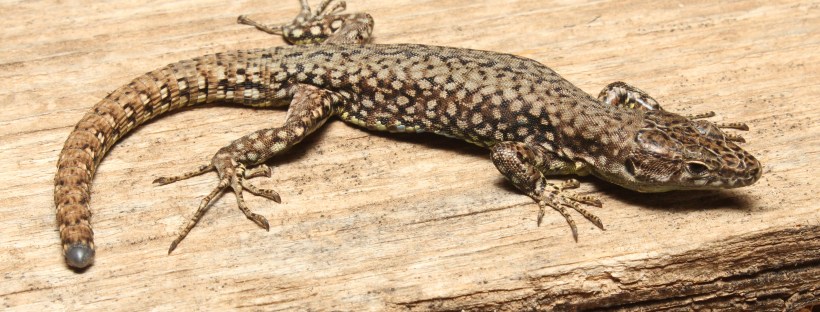
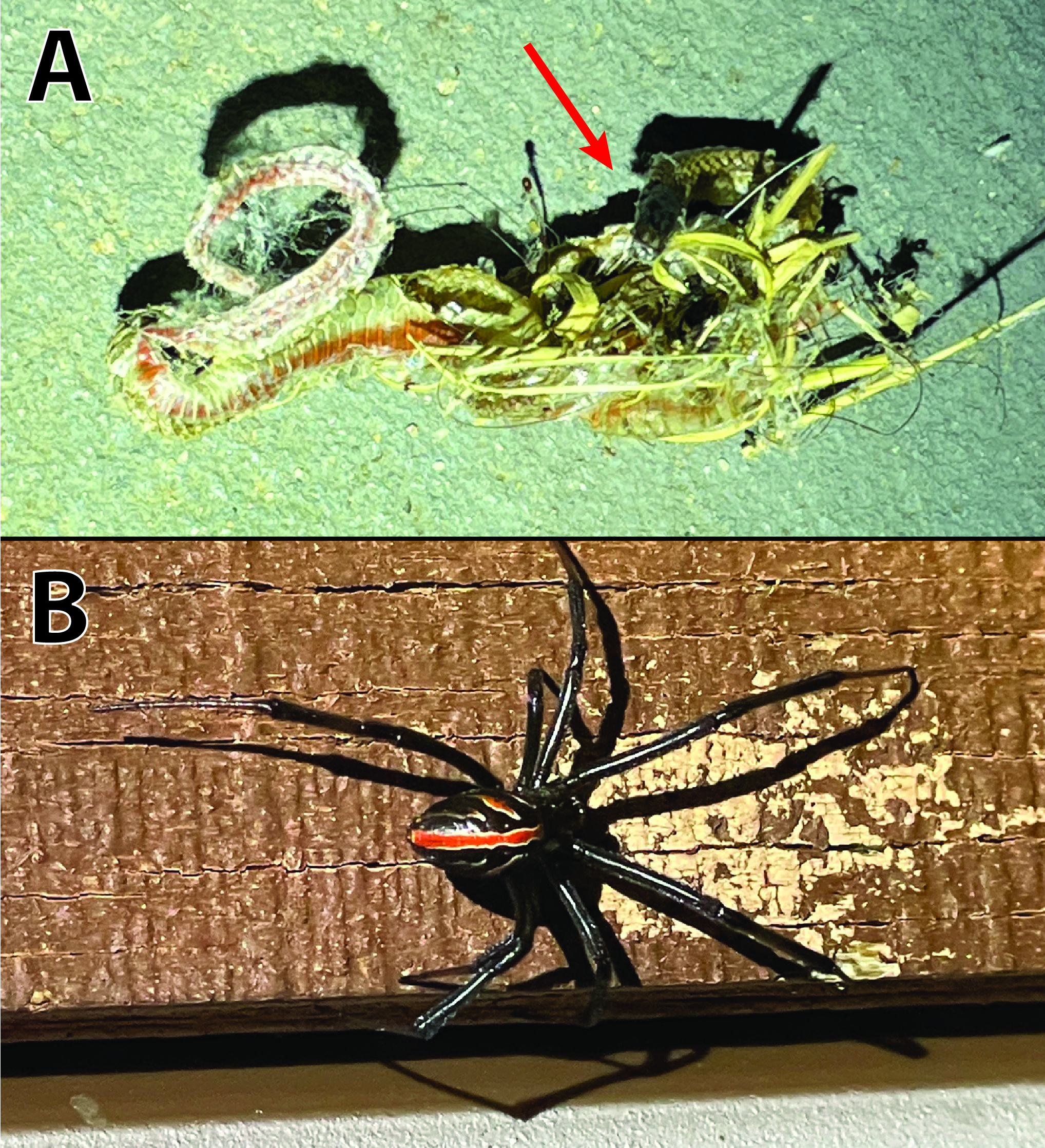
 Five new, short notes were recently published in Herpetological Review, most of which were written by student authors or have students as coauthors. Two of these notes were Natural History Notes documenting a new prey item and scavenging behavior in the Ornate Box Turtle (Terrapene ornata) (Davis and Davis 2024) and a new predator of the Plains Black-headed Snake (Tantilla nigriceps) (Summo Elias and Davis 2024). The other three notes were geographic distribution notes documenting the occurrence of three lizard species in three separate states. The first was a new county where Rough-tailed Geckos (Cyrtopodion scabrum) were found in Texas (Davis and Genter 2024), which only represents the second known county where this species occurs in the state (Davis and Genter 2024). Another note documented new distributional records of Common Wall Lizards (Podarcis muralis) in Indiana, which is also the first time they have been recorded in the state back after they were believed to have been eradicated (Mirtl et al. 2024). The final note was a formal documentation of the widely distributed (and rapidly spreading) Wood Slave (Hemidactylus mabouia) in Orange County, Florida (Summo Elias et al. 2024).
 Summo Elias SD,
  Summo Elias SD, Cuevas-Hernandez J,
 Shell studies of the Sonora Mud Turtle, Kinosternon sonoriense, have been limited except for a description of organisms living on the shell (Hulse 1976a) and a study on individual growth and morphometrics (Hulse 1976b), both involving individuals from Arizona, USA. Shell abnormalities in K. sonoriense were reported by Hulse (1976b) and included round pits up to 3-mm diameter in 26% of the specimens examined and a “corrugated carapace”, apparently due to “uneven deposition of additional bony material in the dermal skeleton” in 9% of the specimens examined. In his earlier paper, Hulse (1976a) reported epizoic algae, including Basicladia (now Arnoldiella) chelonum, on K. sonoriense in Arizona. While Hulse (1976b) noted that this alga could have been responsible for the pits, he rejected that conclusion because he observed many turtles with the algae present that lacked these pits.
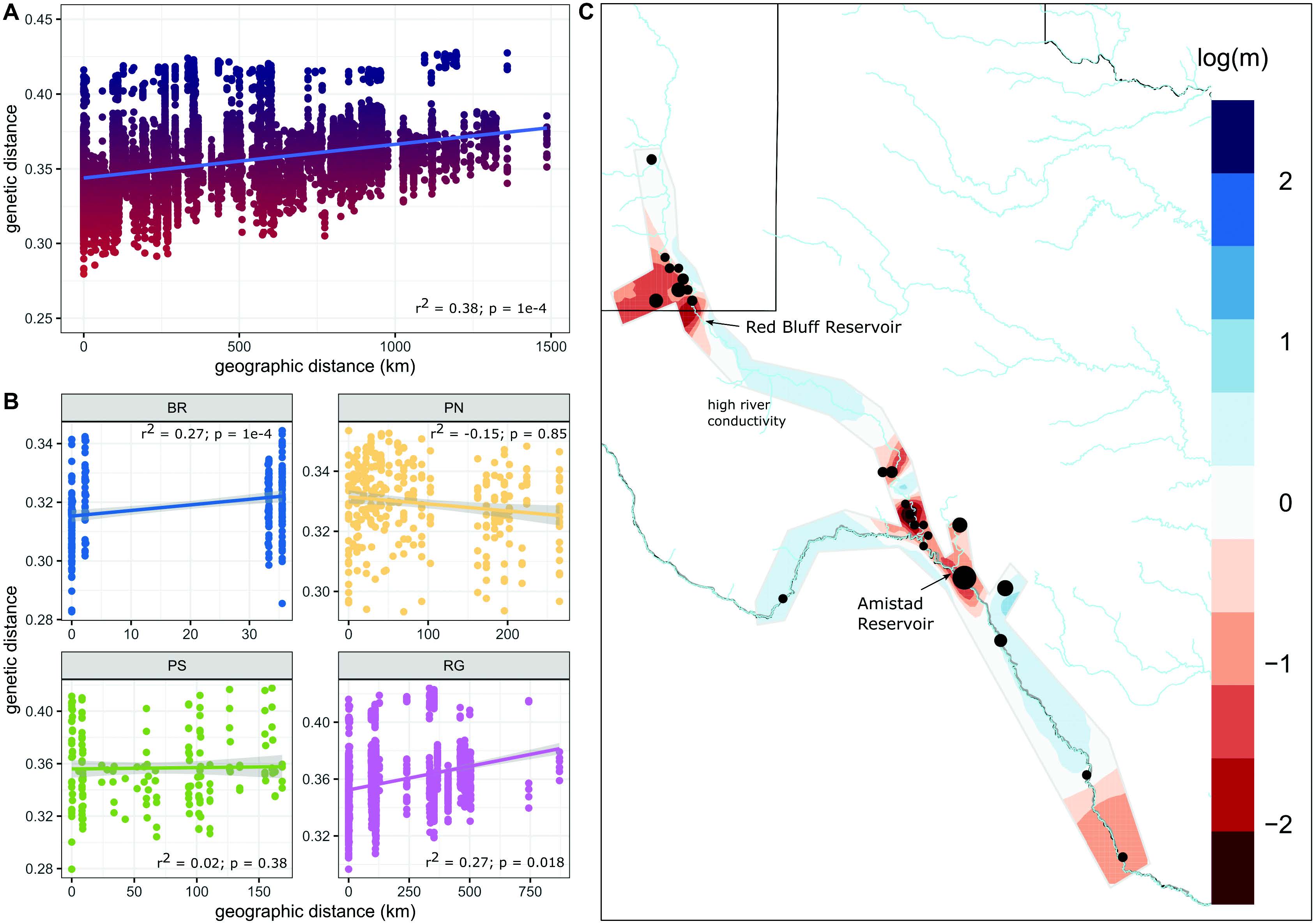 The lower Rio Grande and Pecos River of the southwest United States have been heavily modified by human activities, profoundly impacting the integrity of their aquatic wildlife. In this context, we focused our study on the population genomics of the Rio Grande Cooter (Pseudemys gorzugi), a freshwater turtle of increasing conservation concern, residing in these two rivers and their tributaries. The genetic data revealed two distinct populations: one in the Pecos and Black Rivers of New Mexico and another in the Rio Grande and Devils River of Texas, with admixed individuals identified at the confluence of the Rio Grande and Pecos River. In addition to having a smaller geographic range, we found lower observed heterozygosity, reduced nucleotide diversity, and a smaller effective population size (Ne) in New Mexico population. Our results depict a significant isolation-by-distance pattern across their distribution, with migration being notably infrequent at river confluences. These findings are pivotal for future conservation and restoration strategies, emphasizing the need to recognize the unique needs of each population.
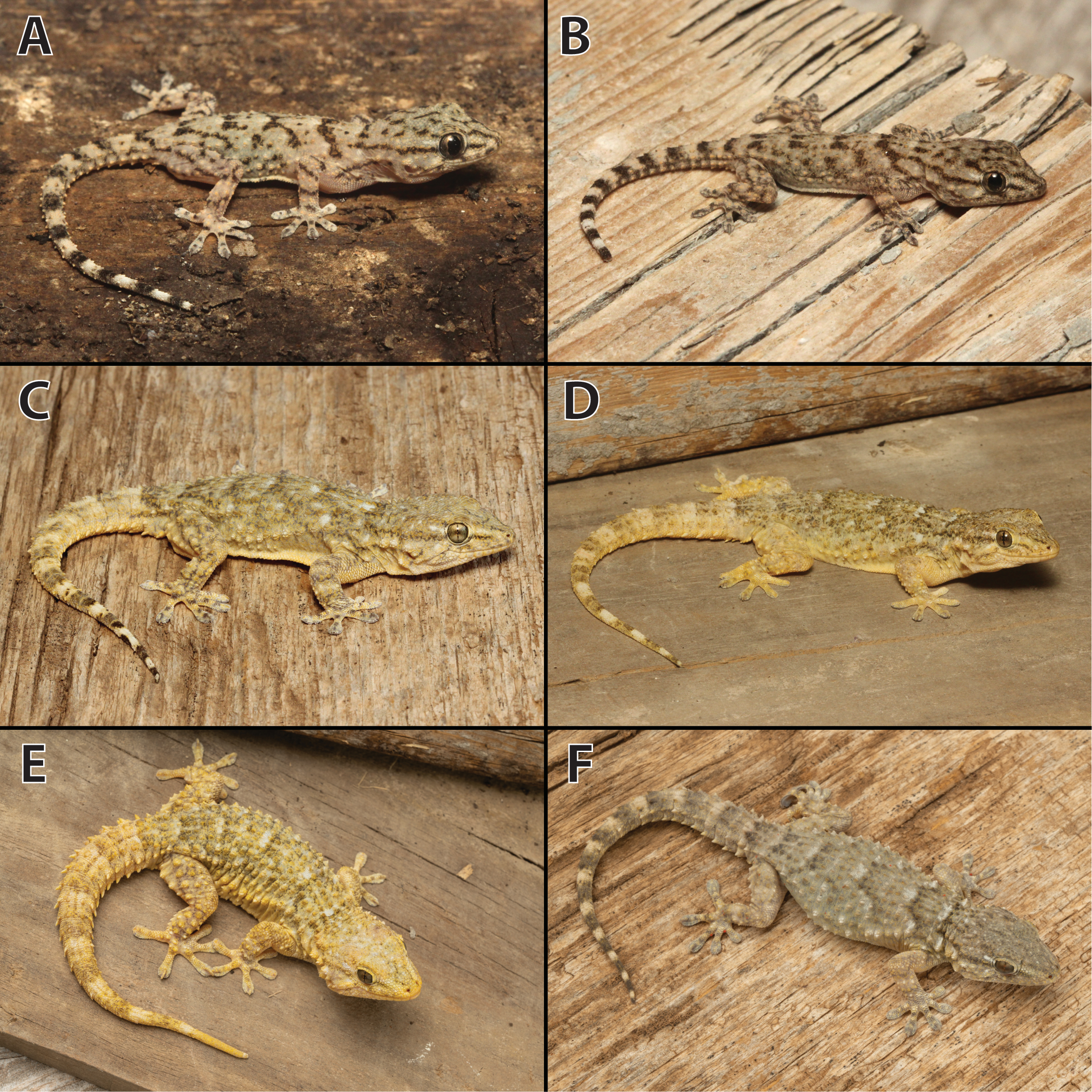 The Moorish Gecko, Tarentola mauritanica, is a large species of gecko native to the Mediterranean Region of Europe and northern Africa. As with many other species of geckos, T. mauritanica has been introduced outside of its native range, often through jump dispersal and hitchhiking through the trade of commercial goods. Here, we summarize the occurrence of this species in the United States and present new data on an established population in Bexar County, Texas. Surveys conducted in 2022 and 2023 resulted in 59 vouchered specimens collected from 11 separate, distinct sites across the San Antonio metropolitan area. Photographic observations of this species in the area exist from 2018, and further support the widespread occurrence of this species in the region. Currently, T. mauritanica is known from three states in the USA (California, Florida, Texas), though it may soon spread into new areas. Future studies are needed to examine the ecological consequences of this non-native species.


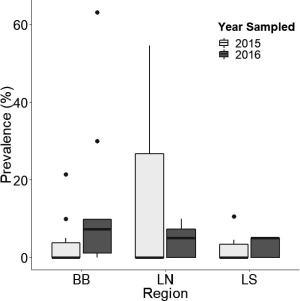 Ranavirosis is a disease of high concern for amphibians due to widespread documentation of its lethal and sublethal impacts and its high transmission potential across populations and species. We investigated whether Spotted Salamander (Ambystoma maculatum) ranavirus prevalence and viral load were associated with habitat characteristics, genetic diversity, corticosterone levels, and body size. In 2015 and 2016, we sampled 34 recently created vernal pools in the Monongahela National Forest, West Virginia, USA. We collected tail clippings from 1,128 Spotted Salamander larvae and waterborne hormone samples from 436 of those larvae, along with eight environmental characteristics of the pools. Over the 2-yr period, we detected ranavirus in 62% of pools, with prevalence ranging from 0% to 63% (mean, 7.68%). Spotted Salamander size was positively correlated with ranavirus presence and viral load; however, we did not find associations between ranavirus prevalence or viral load and habitat characteristics, Spotted Salamander genetic diversity, relatedness, effective number of breeders, or corticosterone levels. The widespread occurrence of ranavirus in the vernal pools illustrates the potential for rapid natural introduction of the pathogen to created wetlands. Managers could consider monitoring local distributions of ranavirus before creation of new vernal pools to guide strategic placement of the wetlands to minimize occurrence and prevalence of this pathogen.
 Drew R. Davis, Ph.D.